92/100
Apple
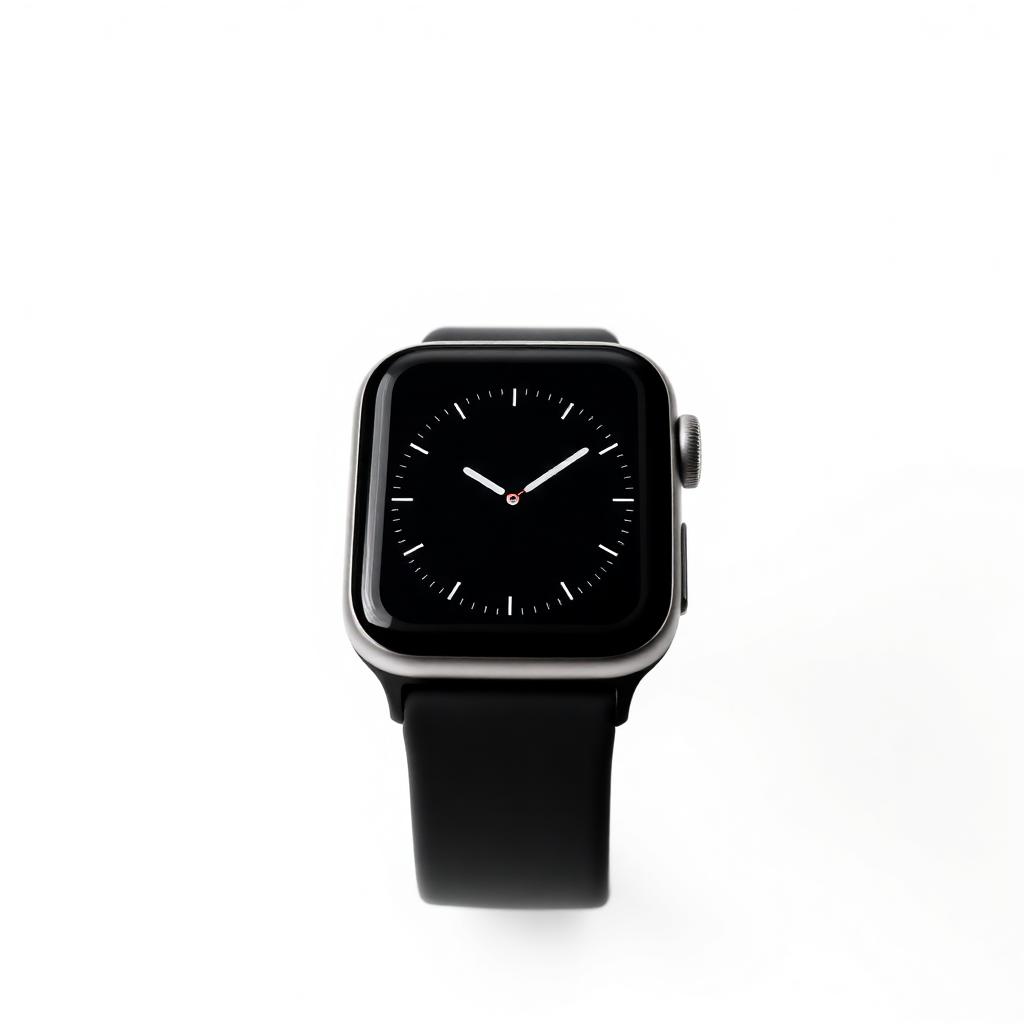
Apple Watch Series 11
The Series evolves: blood pressure and extended health metrics.
Battery life, health tracking and phone compatibility decide which smartwatch is right for you. We compare the Apple Watch Series 11 and Ultra 3, Galaxy Watch 8, Pixel Watch 4 and the endurance-focused Garmin Fenix 8.

The Ultra 3 in titanium, with boosted battery life.
The Series evolves: blood pressure and extended health metrics.
The Ultra 3 in titanium, with boosted battery life.
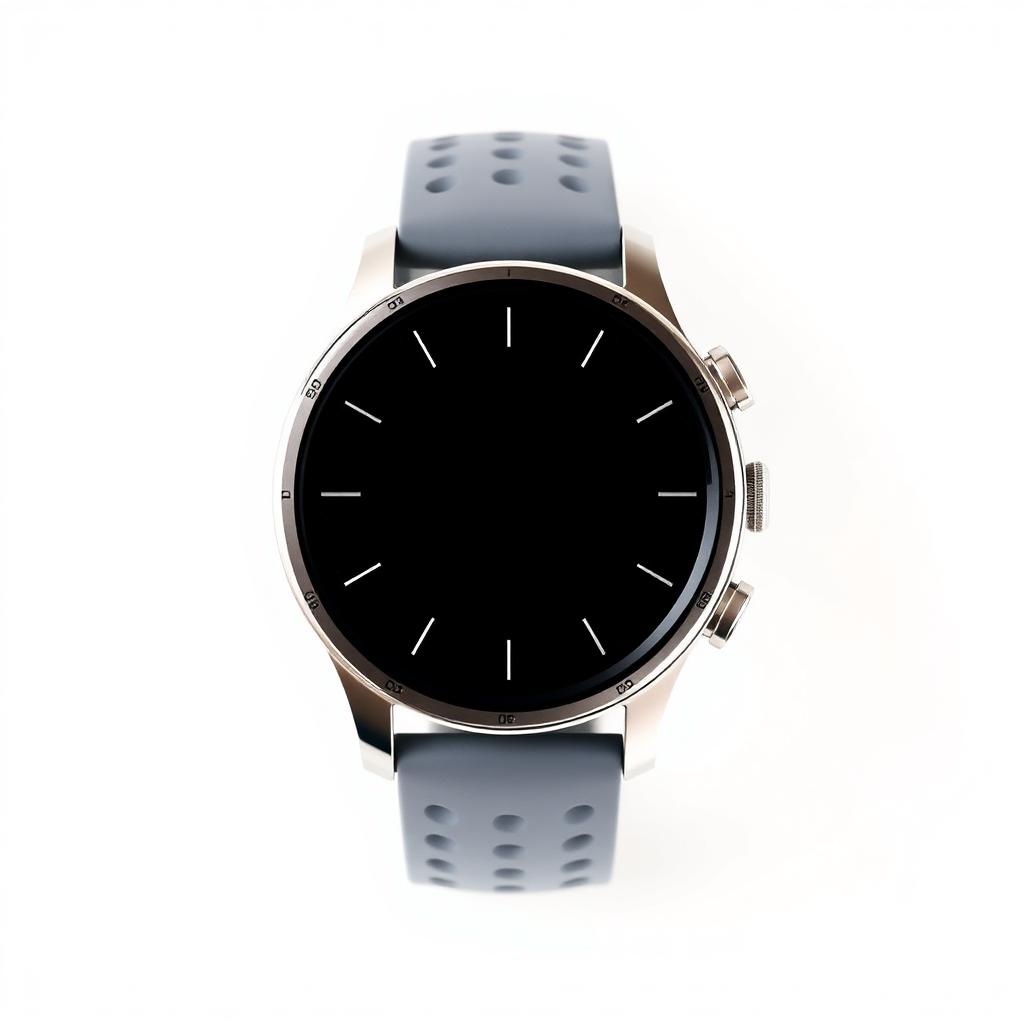
Wear OS 6 + One UI Watch, Galaxy AI health.
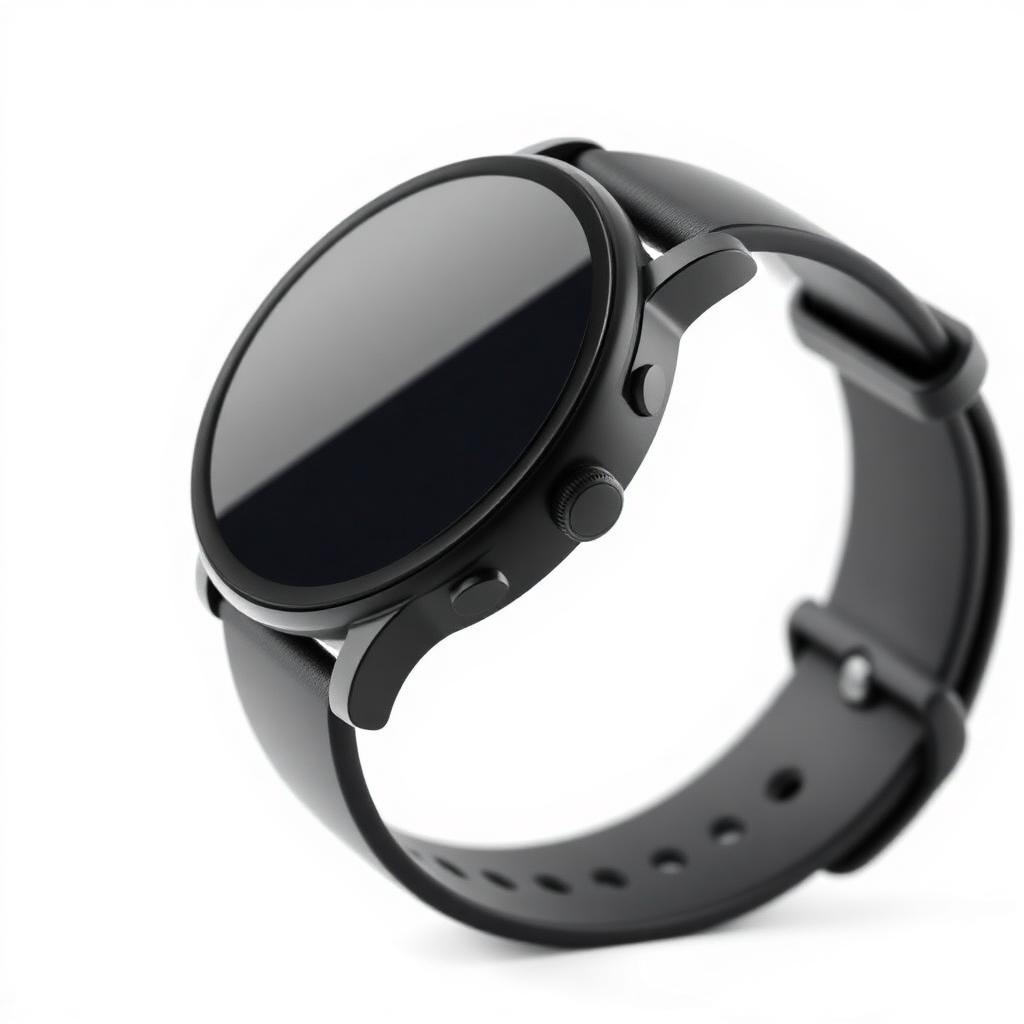
The Pixel Watch with Gemini on your wrist.
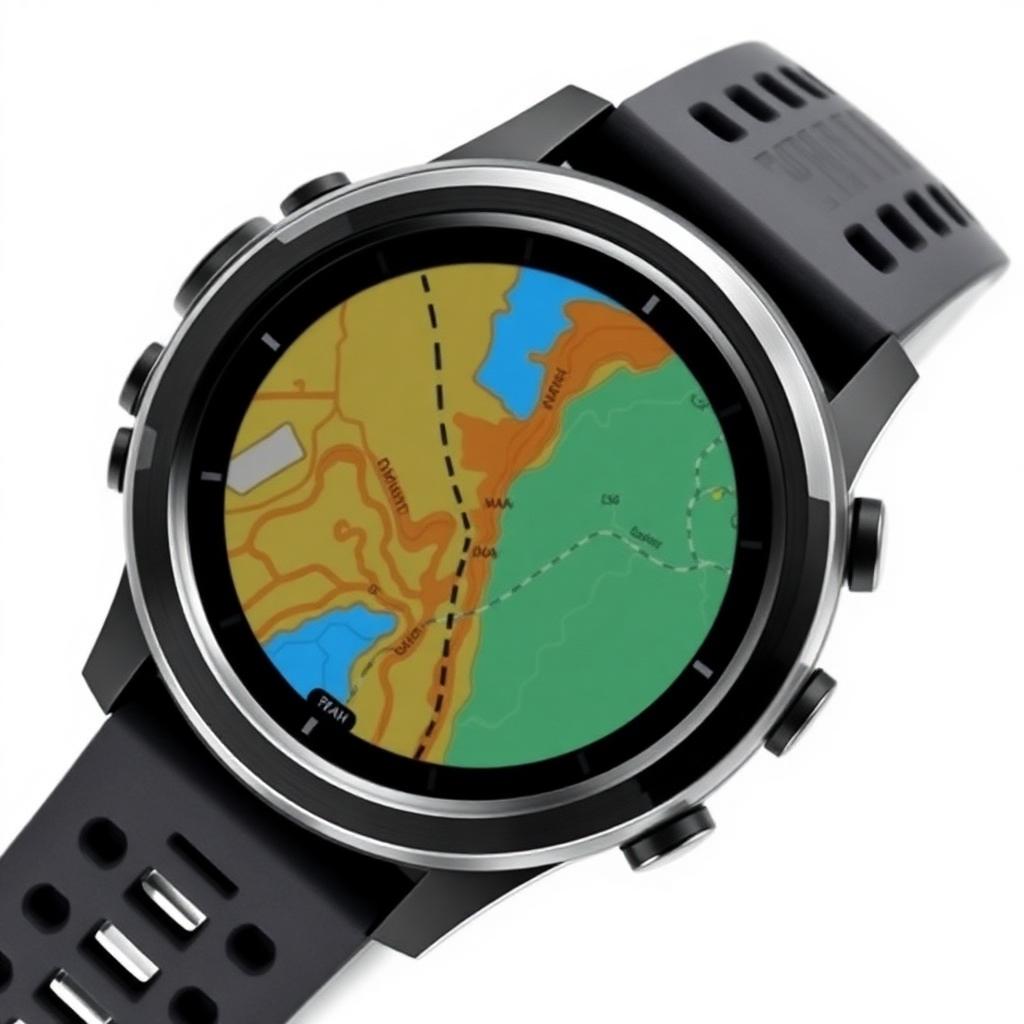
The most complete outdoor multisport watch.
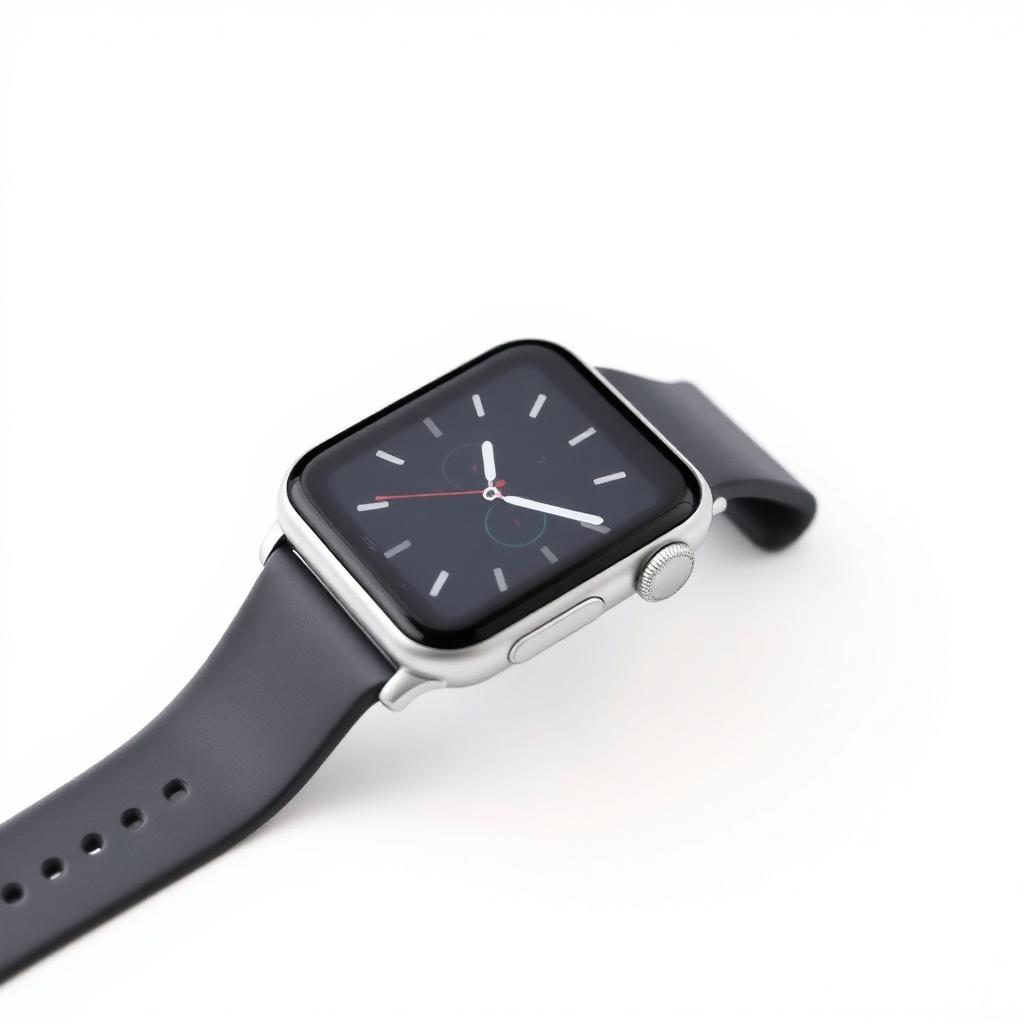
The affordable Apple Watch.
| Product | Score | ||
|---|---|---|---|
Apple Apple Watch Series 11 | 92/100 | See offer | |
Apple Apple Watch Ultra 3 | 94/100 | See offer | |
Samsung Samsung Galaxy Watch8 | 87/100 | See offer | |
Google Google Pixel Watch 4 | 86/100 | See offer | |
Garmin Garmin Fenix 8 | 90/100 | See offer | |
Apple Apple Watch SE (2nd gen) | 80/100 | See offer |
This is the single biggest practical difference between smartwatches. The Apple Watch Series 11 and Pixel Watch 4 are daily-charge watches: expect roughly a day of normal use, a bit less with always-on display, workouts and sleep tracking on top.
Rugged and Wear OS flagships stretch further — the Apple Watch Ultra 3 is rated around 40 hours and the Galaxy Watch 8 around 40 hours in mixed use, so a weekend away without a charger is realistic.
If you never want to think about charging, a sport watch like the Garmin Fenix 8 is a different class entirely, measured in days rather than hours. The trade-off is a smaller app ecosystem and a less phone-like experience.
All the watches here track heart rate, sleep and workouts. The differences show up in the extras: the Apple Watch Series 11 adds blood-pressure trend and extended health metrics, the Galaxy Watch 8 layers Galaxy AI health insights and body-composition readings on top of Wear OS 6, and the Pixel Watch 4 leans on Fitbit-derived metrics with Gemini on the wrist.
For serious training — long runs, trail, multisport, altitude — Garmin still leads on GPS accuracy, recovery metrics and structured workouts.
Keep expectations grounded: consumer wearables give trends, not medical diagnoses. Treat readings as signals to discuss with a doctor rather than clinical measurements.
Apple Watch works only with iPhone, and there is no Android support — if you use Android, the Apple models are out regardless of score.
Galaxy Watch 8 and Pixel Watch 4 run Wear OS and pair with Android phones; a few Samsung-specific health features are reserved for Galaxy phones. Neither pairs meaningfully with an iPhone.
Garmin is the most flexible option, working with both iOS and Android, which makes it the safe pick if you switch platforms or share a household across both.
Try the size before committing: 40-42 mm suits smaller wrists, 45-49 mm gives more screen but adds weight — the Ultra 3 and Fenix 8 are genuinely large.
Cellular versions only make sense if you plan to leave your phone behind for runs or commutes; they cost more and need a carrier plan.
Short version: iPhone plus everyday use, take the Series 11; iPhone plus adventure or long battery life, the Ultra 3; Android, the Galaxy Watch 8 (or Pixel Watch 4 for a tighter Google experience); endurance training on any phone, the Fenix 8; tight budget on iPhone, the Watch SE.